Your Personal Evening Rhythm Guide

This is a gentle framework — not a schedule. Each phase of the evening can be shaped around what genuinely suits you, building a personal flow from the end of your active day to a natural, comfortable close.

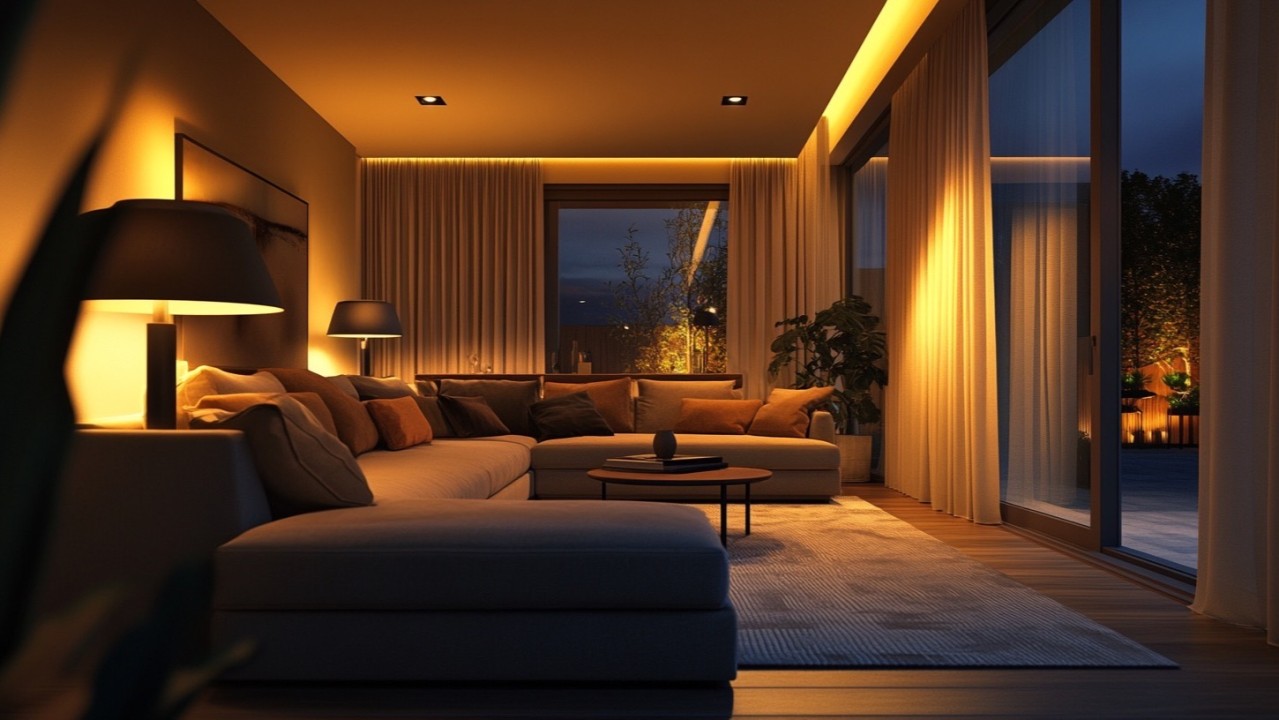
Warm ambient glow suggesting a softly lit evening room, with concentric rings of light creating a calm, intimate atmosphere

How an Evening Naturally Unfolds

Most evenings move through recognizable stages. Understanding these phases helps you place the right kind of activity — or rest — at the right moment.

01

The Release

The early evening is the space between your active day and your personal time. It calls for a small but clear act of transition — something that marks the shift and gives your mind permission to leave the day behind.

This might be changing clothes, a short walk, or simply sitting quietly for a few minutes with no agenda.

02

The Slow

Once the day has been set aside, the middle of the evening opens up. This is the space for things you find genuinely enjoyable — reading, cooking, a simple creative activity, or time with people you care about.

The key is pace: slower, less driven, more present than the hours before.

03

The Settle

As the evening deepens, a natural closing begins. This is when the environment shifts — softer light, quieter sounds, a comfortable temperature — and the body and mind begin to ease toward rest.

Consistent small rituals in this phase give the body familiar cues that the day is genuinely done.

Elements of a Personal Evening Routine

These are not prescriptions — they are possibilities. Choose what resonates and leave the rest for another time or not at all.

A Warm Drink

A simple act of warmth and comfort. Herbal teas, warm water with lemon, or a quiet cup of something familiar — the ritual of preparation is itself part of the slowing.

Light Reading

Something engaging but not demanding. Fiction, essays, poetry, or anything that invites your attention without requiring effort or decision-making.

Brief Journaling

A few lines written without expectation. What stood out today, what you noticed, what you're setting down for tomorrow — a simple practice of gentle reflection.

An Evening Walk

A slow, purposeless walk after the day — not for exercise but for the particular quality of evening air, changing light, and unhurried movement.

Soft Music or Silence

The sounds of the evening matter. Gentle ambient music, instrumental pieces, or simply the quiet of a settled house — choose what helps the evening feel calmer for you.

A Simple Body Ritual

A warm bath or shower, gentle stretching, or a brief skincare routine can all serve as physical anchors that signal to the body: the active part of the day is over.

Putting It Together

A personal evening routine doesn't need to be elaborate to be helpful. The most sustainable routines are simple, flexible, and genuinely enjoyable — not effortful.

1
Choose two or three elements that appeal to you

Start with what already feels natural — you don't need to build anything new from scratch.

2
Place them in a loose order

A gentle sequence gives the evening shape without rigidity. The body begins to recognize the pattern over time.

3
Repeat without pressure

Some evenings will follow the pattern, others won't. Both are fine. The routine is a resource, not a requirement.

Explore Wind-Down Rituals

Your Evening, On Your Terms

There is no single correct evening routine. The most meaningful one is the one that genuinely fits your life — your pace, your preferences, and what the day has asked of you.